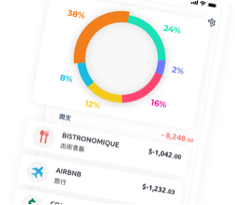














Loan apps have become increasingly popular in Hong Kong. Today, banks, virtual banks, and licensed lenders all offer online personal loans through mobile apps, with many promoting AI-powered assessments, fast approval, and quick fund disbursement.
Applying for a loan can now take just a few minutes on a smartphone. However, interest rates, approval requirements, and borrowing costs can vary significantly between loan apps. While some platforms focus on low interest rates, others prioritise instant approval, simplified applications, or flexible eligibility criteria.
Understanding these differences is essential when comparing loan apps and choosing the right personal loan for your needs.
Comparison of Money Lender Loan 2026 – Find Out the Best Interest Rates and Offers
Types of Loan Apps in Hong Kong
Most loan apps in Hong Kong fall into three main categories:
Traditional Banks
Many established banks now offer personal loans through their mobile banking apps. These platforms typically provide lower interest rates but often have stricter requirements for income verification, supporting documents, and credit assessment.
Digital Banks
Digital banks have become increasingly active in the online lending market. Many focus on a seamless digital experience, offering fully online applications, AI-powered assessments, and instant pre-approved loan offers through their mobile apps.
FinTech Lenders and Licensed Money Lenders
In recent years, a growing number of online loan apps have entered the market. Compared with banks, these platforms often prioritise fast approval, simplified applications, and quicker access to funds. Some even promote same-day disbursement and 24/7 loan applications.
However, greater convenience can sometimes come with higher borrowing costs. Before applying, borrowers should compare interest rates, fees, and repayment terms carefully.
How Do Loan Apps Work?
Most modern loan apps have digitised the entire loan application process.
Applicants are typically required to provide personal information such as identification details, contact information, income data, and bank account information. Many platforms also use electronic identity verification (eKYC) and facial recognition technology to confirm an applicant’s identity.
Instead of submitting paper documents, many online lending platforms now process information electronically. Some lenders can even analyse banking records and other financial data to assess income and repayment ability.
After submission, the platform performs a credit and risk assessment. Many loan apps use AI and data analytics to evaluate factors such as:
- Credit history
- Income stability
- Existing debt obligations
- Repayment behaviour
- Fraud risk indicators
Once approved, borrowers can usually sign loan agreements electronically. Some platforms also support instant fund transfers, allowing approved applicants to receive funds on the same day.
While many providers advertise instant approval, final loan amounts and interest rates still depend on the applicant’s financial profile and credit assessment.
Read more: No-Doc Loan: Borrow Cash Without Income Proof/Verification
Does AI Make It Easier to Get a Loan?
Many lenders market AI-powered loan apps as faster and more accessible. However, AI primarily improves efficiency rather than lowering lending standards.
For financial institutions, AI helps automate risk assessment and identify higher-risk applications more quickly. Beyond traditional credit data, some systems may also analyse income patterns, banking behaviour, repayment history, and overall financial health.
In other words, AI does not necessarily make borrowing easier. Instead, it helps lenders make decisions more quickly and consistently. While this improves convenience for borrowers, it remains important to consider the long-term cost of borrowing before accepting any loan offer.
Risks of Using Loan Apps
The convenience of a loan app can make borrowing feel effortless. However, borrowers should remain aware of several potential risks.
Hidden Borrowing Costs
Some lenders advertise attractive monthly rates, but borrowers should focus on the Annual Percentage Rate (APR), which provides a more complete picture of borrowing costs. Additional fees, early repayment charges, and late payment penalties should also be considered.
Debt Cycle Risk
For individuals with unstable income, existing credit card balances, or ongoing cash flow challenges, repeated borrowing can gradually lead to long-term debt problems.
Impulsive Borrowing Decisions
Fast approval and 24/7 access can make it easier to borrow without fully considering future repayment obligations. Borrowers should always assess whether repayments remain affordable over the entire loan term.
Fraud and Scam Risks
Fraudulent loan apps, phishing websites, and fake lenders have become increasingly common. Before downloading any loan app, verify that it comes from an official source and that the company operates legally.
Upfront Fee Scams
Legitimate lenders generally do not require applicants to pay deposits, release fees, or processing charges before a loan is approved. Any request for upfront payment should be treated as a warning sign and investigated carefully before proceeding.
To borrow or not to borrow? Borrow only if you can repay!
You have to repay your loans. Don’t pay any intermediaries.